
The people this workshop is designed for
Community financial management affects everyone who owns property in a shared building. But some people need this knowledge more urgently than others.
Why financial literacy matters in a community
In Spain, homeowners communities operate under the Ley de Propiedad Horizontal, a legal framework that gives residents both rights and responsibilities. Annual general assemblies are where budgets get approved, special assessments get voted on, and administrators get hired or replaced.
Without understanding the financial documents in front of them, residents often vote on things they don't fully grasp. This workshop changes that — not by making you an accountant, but by giving you enough context to participate meaningfully.
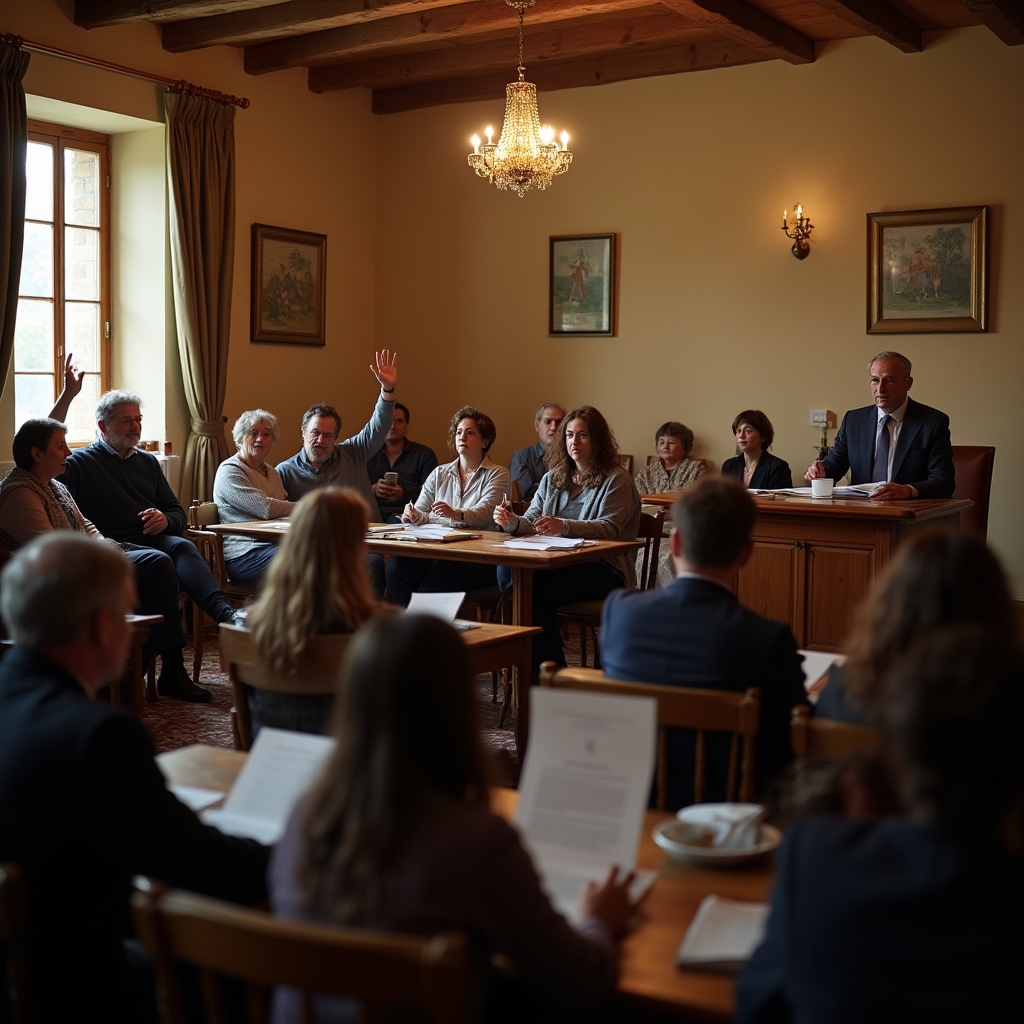
Who attends this workshop
The workshop is open to any property owner or resident. These are the profiles we see most often.
Just voted in as president and suddenly responsible for overseeing the administrator, calling assemblies, and signing off on accounts. This workshop provides the foundation to do that job with confidence.
Attends every assembly, reads every document sent by the administrator, but still feels uncertain about whether the numbers add up. Wants to ask better questions and understand what they're approving.
Handing over the role and wants to ensure the incoming president understands the financial situation. Attends to consolidate their own knowledge and prepare a proper handover.
Part of the governing board but not the president. Wants to contribute meaningfully to financial decisions and hold the administrator accountable — without relying entirely on the president's interpretation.
No prior knowledge required
Any type of shared building — residential block, urbanisation, mixed-use development. The principles of the LPH apply across all of them.
If your administrator sends you annual financial statements, this workshop will help you know what you're looking at and what questions to raise at the next assembly.
Passive attendance at assemblies is a choice, but an informed one. This workshop is for people who want their vote to mean something and their voice to be heard on financial matters.
The workshop starts from scratch. No accounting background, no legal training, no prior experience with community management is assumed or required.
This sounds like you?
Find out how the workshop is structured, when it takes place, and what to expect on the day.